

Director
Shun Okumura
He explains the available options and how they differ.

The procedure is performed from the inner surface of the eyelid (the conjunctival side), leaving no externally visible scars.
Swelling and bruising may occur (typically about 1–2 weeks; the time to final results varies by individual)
Pricing depends on the selected plan and treatment area.
View price tableThose with severe dry eye, those with thyroid eye disease (Graves' ophthalmopathy), those unable to discontinue anticoagulants, pregnant or breastfeeding persons
This summary does not replace medical consultation. Final suitability, risks, and expected results should be confirmed with a doctor.
The procedure is performed from the inner surface of the eyelid (the conjunctival side), leaving no externally visible scars.
When a groove is noticeable as well as puffiness, fat repositioning may be considered. We check repeatedly during surgery while adjusting the balance.
Follow-up examinations are held at 1 week and 1 month after surgery to check progress such as swelling and bruising. There is no revisit fee for these follow-up visits.
Both standard and model-patient prices include anesthesia and are shown incl. tax. During the consultation, the doctor will also explain whether any additional fees apply.
The doctor will assess the area around your eyes, including bulges, hollows, and loose skin, and explain when this procedure or transconjunctival fat removal may be appropriate. We will also explain the procedure, cost, expected downtime, and possible risks.
We will confirm the treatment area and administer anesthesia. As the area around the eyes is delicate, we will take care to help minimize pain.
We will treat orbital fat, for example by removing or repositioning it, through a transconjunctival approach. We will proceed carefully while checking the balance between the sides.
We will explain postoperative care, the follow-up schedule (at 1 week and 1 month), and emergency contact details.
| Item | Details |
|---|---|
| Duration | About 60–90 minutes (an estimate including consultation and preparation) |
| Downtime | Swelling and bruising may occur (typically about 1–2 weeks; the time to final results varies by individual) |
| Makeup | From the following day outside the eye area; follow the doctor's instructions for the eye area |
| Bathing | Showering is allowed from the following day. Follow the doctor's instructions on when to resume baths and contact lens use |
| Contraindications |
|

During your consultation, our doctors review your goals and skin condition before discussing treatment.
He explains the available options and how they differ.
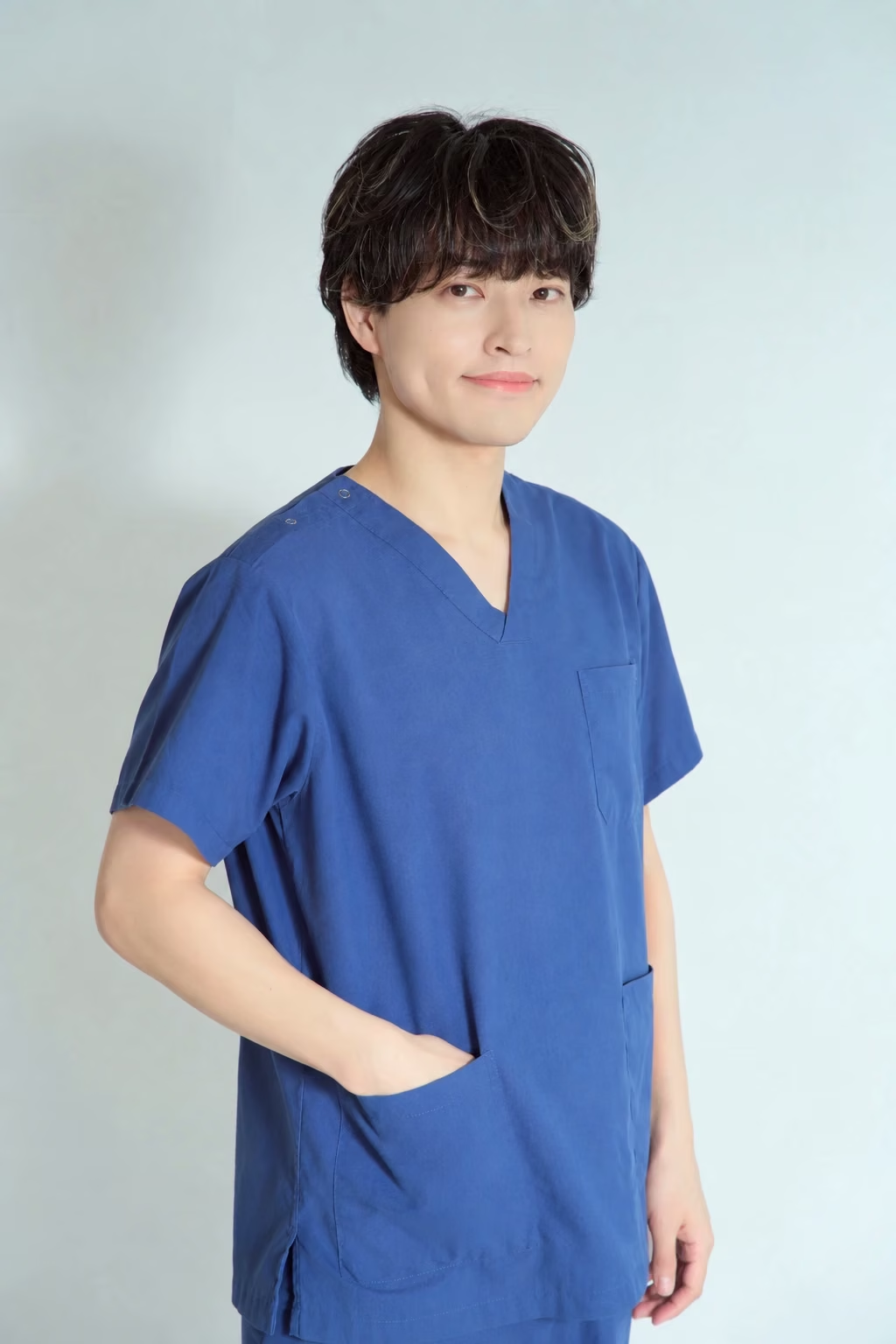
He listens to your concerns and explains the treatment and important considerations.